
More subsidies, higher fees
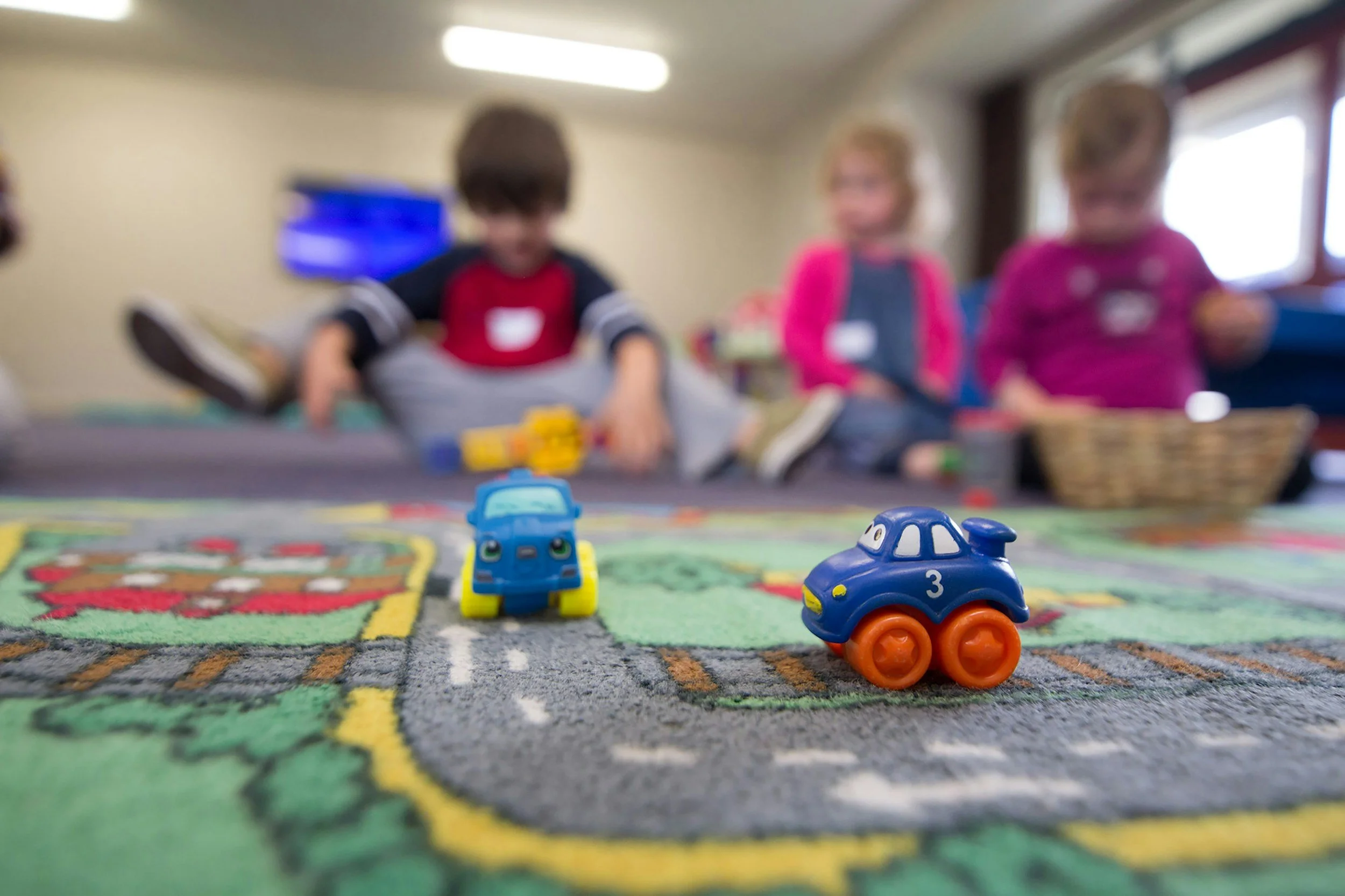
the one-size-fits-all subsidy model for childcare can end up forcing families into a structure they did not freely choose. by david hughes.
First published in the MRC’s Watercooler newsletter. Sign up to our mailing list to receive Watercooler directly in your inbox.
It's not uncommon to hear parents in our big cities say: "We'd have another kid if childcare wasn't so expensive."
In the Sydney CBD, a place for a three-year-old at a Barangaroo childcare centre costs $202.50 a day. That is at the higher end of the market, but in 2026 families will struggle to find centre-based care in Sydney for much less than $140 a day.
It is easy to say families can avoid that cost if one parent stays home. In practice, that is far harder than it sounds. Sydney's median house price is now about $1.76 million, and for many households two incomes are a necessity to keep up with mortgage repayments.
Australian childcare policy has drifted a long way from its original purpose. What began as a modest federal intervention under the McMahon Government in 1972 has become one of the largest and fastest-growing spending lines in the Commonwealth budget. Federal spending on childcare has surged from $6.7 billion in 2014 to $13.6 billion in 2023. It will exceed $16 billion in 2026. To put that into perspective, the Commonwealth spends more subsidising the 5% of our population in childcare than they do on supporting public schools (at $12b) and funding Army capabilities (at $12.5b).
Increased Commonwealth spending through subsidies has essentially led to higher fees. So we become locked in a cycle where governments have to top up the subsidy to keep pace with the higher costs they have created.
As Labor pushes further towards universal childcare, the cost to taxpayers will climb further still. And yet parents still feel like they are paying through the nose.
A full-time childcare place can cost around $36,000 a year, roughly the same as top-tier private school fees. Out-of-pocket costs are rising at about 6.5 per cent a year, well above inflation.
While increasing the childcare subsidy gives the perception of short-term relief, the ACCC makes the obvious point. When subsidies rise, the benefit to parents is often eroded within months as providers lift fees.
So, what can be done?
Childcare is labour intensive. Labour costs account for 69 per cent of centre based daycare costs. When wages rise, fees rise. Over time, above-inflation wage growth has added to that pressure and pushed fees higher.
On top of that, the sector is heavily regulated, especially since the introduction of the National Quality Framework in 2012, a framework designed by the Unions and adopted by the Labor government. This meant ratios like one worker for every four children, plus qualification requirements like the percentage of carers required to have a Bachelors degree.
The Commonwealth funded a 15% wage rise for 200,000 childcare workers via a $3.6 billion subsidy, locking in a higher wage base. The Commonwealth funding will expire at the end of 2026, meaning the cost of those higher wages will have to shift from taxpayers to childcare centres. The predictable effect is higher fees to cover the 15% higher wages bill.
Australia's childcare system is designed around one dominant model: formal centre-based care. That might suit some families, but it certainly does not suit all.
Formal care increased by around 70 per cent from 1999 to 2017 while informal care fell from 32 per cent to 15 per cent. This is not necessarily because parents stopped wanting informal care. It is because the Commonwealth Childcare Subsidy is only available to those in formal care.
Grandparents are an obvious example. One in four preschool-aged children are usually cared for by grandparents. Yet families that rely on grandparents, or other home-based arrangements, get no support from the Commonwealth.
NSW Productivity Commission research points in the same direction. A large share of parents who are out of the workforce for child-rearing reasons prefer to care for their children themselves, not place them in formal childcare.
In other words, the one-size-fits-all subsidy model can end up forcing families into a structure they did not freely choose.
Policymakers often speak as if early childhood education is an automatic universal good, and as if more hours in care is always better. The evidence is more mixed.
Childcare effects are generally smaller than home effects, and developmental risks can rise under certain conditions, for example, when infants enter care very early or spend long hours in care. The reality of daycare is that many centres see high staff turnover, around 30-40% annually, disrupting the child-carer relationship and adding to the stress some children may experience.
None of this is about shaming parents. Many families such as my own need childcare. Many children thrive in high-quality centres. But if the policy argument is that subsidies are primarily about child development, then we should be honest that the benefits are not uniform and there are well-documented risks.
There is also a deeper cultural problem in the sector. Early childhood policy has increasingly absorbed the habits of the wider education bureaucracy: more ideological language, more fashionable social theory, and less focus on what most parents actually want, namely safe, stable, affordable care.
Even the training and curriculum reflects this drift. The national training framework places heavy emphasis on inclusion, diversity, identity, and prescribed social concepts, while the Early Years Learning Framework asks educators to engage with ideas about power, perspective, and "ways of knowing and being".
None of those themes are necessarily wrong in themselves. But they tell us something important about the instincts of the system. Too often, the sector's governing class seems more interested in social engineering than in cost, flexibility, and the practical needs of families.
So what would reform look like if the goal were genuine affordability and family choice, not just bigger subsidies? One option would be a means-tested Child Endowment paid directly to families.
The idea is simple: instead of routing support through centres and hoping the savings reach parents, give families direct support they can use in the way that works for them, whether that means centre-based care, grandparents, a nanny, or extending parental leave so a parent can stay home longer.
From age three, the existing childcare subsidy structure could remain, but with a proper activity test restored and with support made more flexible, including for informal care. That would start putting choice back in the hands of families rather than providers and bureaucracies.
Australia is spending enormous sums on childcare. The question is not whether the government should support families. It should. Children are a public good, and a country with a collapsing birth rate cannot pretend family formation is purely a private matter.
The real question is whether our current settings support families as they actually live. Right now, we subsidise one model heavily, watch fees rise, and then spend even more trying to play catch-up. Meanwhile, families who would prefer to care for their own children, rely on grandparents, or use smaller home-based arrangements are treated as if they are choosing the wrong option.
Real reform means stepping off the subsidy treadmill. It means taking choice seriously, targeting assistance to those who need it most, and funding families directly so they can build the life that works for them.