
Gone to the Gobi
is the future of australian mining overseas? by david hughes.
First published in the MRC’s Watercooler newsletter. Sign up to our mailing list to receive Watercooler directly in your inbox.
In March 2018, Rio Tinto sold the last of its Australian coal mines and declared itself “the first major mining company to stop producing coal”. Untroubled by this stigma, the company that purchased the mines judged coal’s outlook strong for decades to come. Global coal production has climbed ever since, reaching a record of more than nine billion tonnes in 2024, roughly 17 per cent above where it stood when Rio walked away. The coal it walked away from is still being dug from those same Queensland mines. The company’s decision to sell may have boosted Rio’s environmental credentials at a time when this was en vogue, but did nothing to lower global emissions.
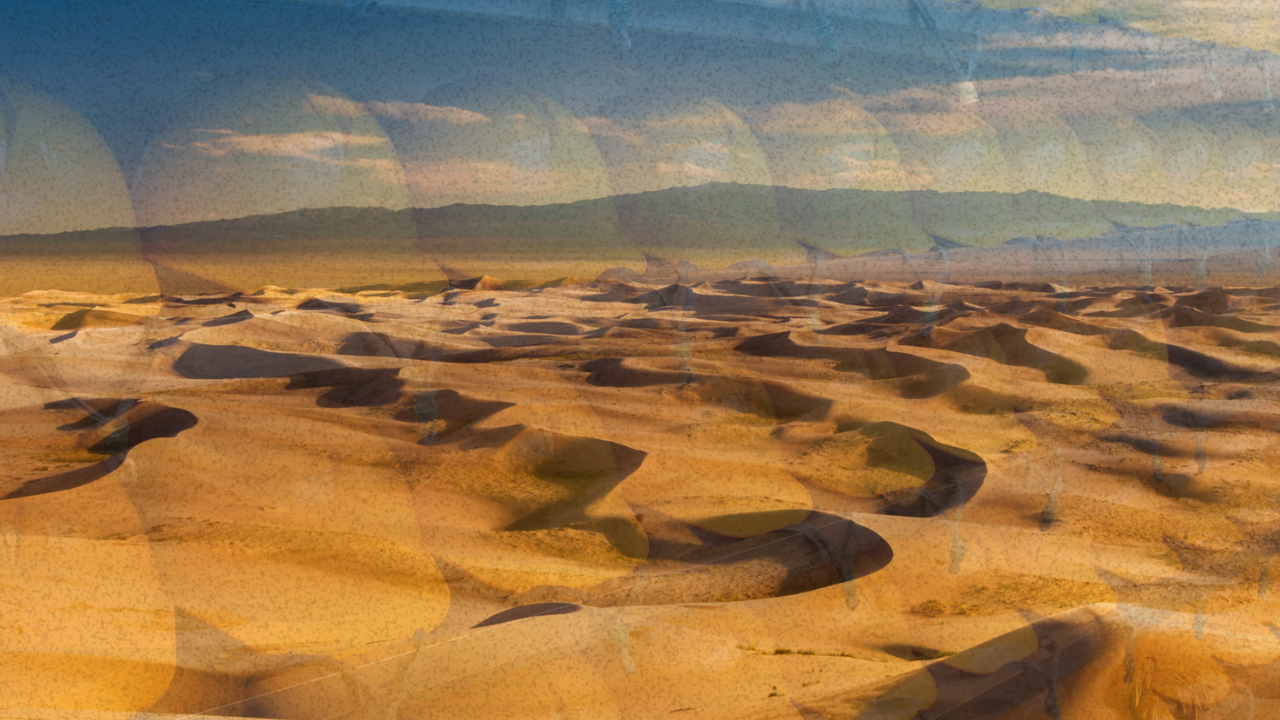
Eight years later, Rio’s new flagship growth project sits a kilometre beneath the Gobi Desert in Mongolia, the land of Genghis Khan. Oyu Tolgoi is a $10 billion underground mine on track to become one of the world's largest sources of copper. More than 97 per cent of its workforce is Mongolian, the government owns 34 per cent, and Rio Tinto describes the project’s purpose as “creating prosperity for the nation”.
Mining has led to a significant improvement in Mongolia’s living standards. Its coal production grew faster last year than any other country’s, and it is coal that powers Rio’s project. The world’s first coal-free major miner is now digging its future by the light of Mongolian coal.
Preliminary Menzies Research Centre analysis suggests around 60 per cent of Rio Tinto’s underlying capital investment over the past three years has been directed outside Australia. In Australia, investment is used to maintain ageing systems and keep existing projects running. Abroad it buys transformation: US$6.2 billion for new projects in Guinea, US$2.5 billion in Argentina, and the copper under the Gobi. It raises the uncomfortable question: where does the future of Australian mining now lie? Rio itself cut its Australian grassroots exploration budget by 57 per cent in 2024.
Who could blame them? In a 2024 global survey of mining executives, no Australian jurisdiction ranked among the world’s 10 most attractive destinations for the first time in decades, with Western Australia falling from 4th to 17th. Approvals for new mines are held up by duplicated state and federal systems for years. Once a mine is operational, regressive IR changes hamper productivity and create conflict on the worksite.
The Queensland Government raised coal royalties to the highest rates in the world without consultation, taking the effective tax rate on BHP’s Queensland coal to 62 per cent. In response, the company declared it “will not be investing in any further growth in Queensland”.
Add to all of this, higher energy costs to power mining operations and new carbon tax policies and you can see why Australian miners are looking to invest in overseas countries less determined to make success difficult.
The uncomfortable reality is that Rio Tinto helped create the environment that it is now reluctant to invest in. In 2021, Rio declared “impeccable ESG performance” a pillar of corporate strategy and pledged US$7.5 billion to decarbonise its own operations. Its board endorsed, and 99 per cent of its shareholders approved, a resolution to suspend membership of any industry body lobbying inconsistently with the Paris Agreement. It quit the Queensland Resources Council for defending coal. It agreed to develop its climate advocacy papers in consultation with the activist shareholder group that had campaigned against it. It gave $2 million to the Yes campaign. At some point, those in charge forgot they were running a mining company.
Rio pushed to install former WA Labor Premier, Mark McGowan as the new chair of the Minerals Council. The same premier who presided over WA’s decline from being the 4th most attractive destination for mining in the world to the 17th.
To its credit, Rio seems to have retreated from this posture. At his first strategy briefing in December, Rio’s new chief executive Simon Trott promised a company “stronger, sharper and simpler”, cut the decarbonisation budget from US$6 billion to US$1–2 billion, and dissolved the specialist decarbonisation unit. There was no apology, probably because there was nothing to apologise for.
But there are some who have never wavered. The Minerals Council of Australia has warned for years that approvals, energy costs, emissions policies and workplace laws were pushing projects offshore, and estimates that four in five prospective Australian mining projects are abandoned.
Simandou, a new African mega-mine dubbed the Pilbara killer, shipped its first ore late last year, built with Rio’s capital and Chinese state partners. As its exports surged this year, iron ore prices fell 13 per cent in six weeks. Every dollar off the price hits the royalties and company tax that sustain state and federal budgets in Australia. Rio has helped build, offshore, a mine that is beginning to put pressure on Australia’s biggest export.
Australia still lives comfortably off decisions a more confident country made a generation ago. But for how long? Thankfully, Rio has now remembered it is a mining company and has nothing to be ashamed of. Nothing yet suggests Australia remembers it is a proud mining nation.